Enterprise Applications
Custom business platforms engineered for reliability, security, and scale.
We design, build, and operate the platforms, APIs, and enterprise applications that run serious businesses — engineered for reliability, security, and a decade of maintainability, not a demo.
Custom software engineering covers full-stack platforms, internal business systems, enterprise applications, and APIs — owned from architecture through production operation.
Organizations that treat software as critical infrastructure: businesses replacing manual processes, scaling beyond off-the-shelf tools, or rebuilding systems that no longer hold under load.
Software that mirrors how your business actually operates — eliminating manual workflows, removing single points of failure, and giving leadership real-time visibility into operations.
Typed, observable, test-covered codebases with clear ownership and documented architecture — so the system stays maintainable long after launch and survives team changes.
Custom business platforms engineered for reliability, security, and scale.
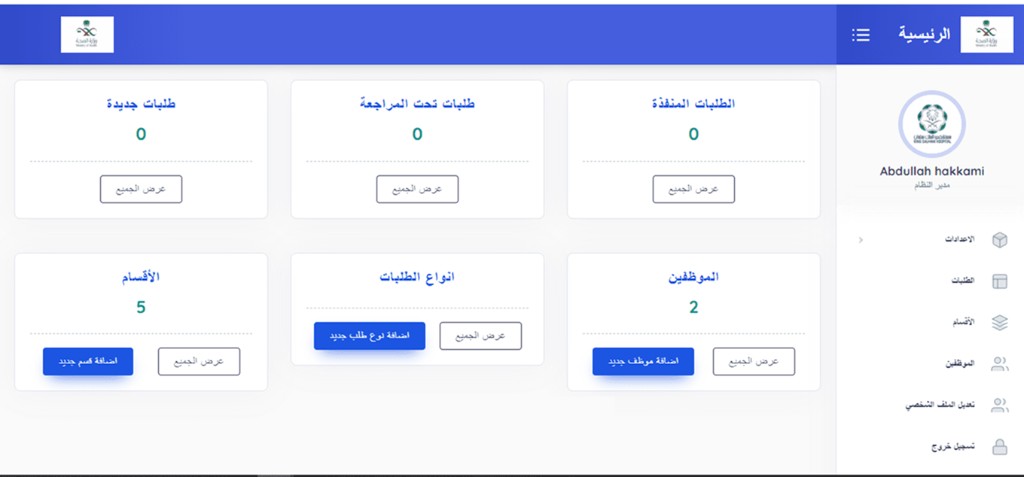
Operations tooling and back-office platforms that replace manual workflows.
Well-documented, versioned APIs and platform services built to integrate.
Multi-tenant products with authentication, billing, and role-based access.
Incremental rewrites that retire technical debt without stopping the business.
Resilient connections between ERP, CRM, payments, and third-party services.
We map your business goals, constraints, and existing systems — then define measurable success criteria before any code is written.
System design, data modeling, and integration topology are decided up front, so the build runs against validated decisions instead of discovering them under load.
Scope is broken into milestones with clear ownership, delivery cadence, and a roadmap your stakeholders can track.
Production-grade engineering with weekly demos, code review, and performance budgets enforced in every pull request.
Automated suites, integration coverage, and regression discipline keep the system stable as it grows in scope and scale.
CI/CD pipelines, observability, and runbooks ship as part of the system — with rollback paths and zero-surprise releases.
Post-launch we tune performance, harden reliability, and evolve the architecture as your usage and business needs change.
Most production systems reach a first deployable milestone in 6–12 weeks, with full delivery scoped during discovery. We work in milestones so you see working software early and often.
Yes. We specialize in incremental modernization — mapping the existing system, isolating risk, and replacing components without forcing a risky big-bang rewrite.
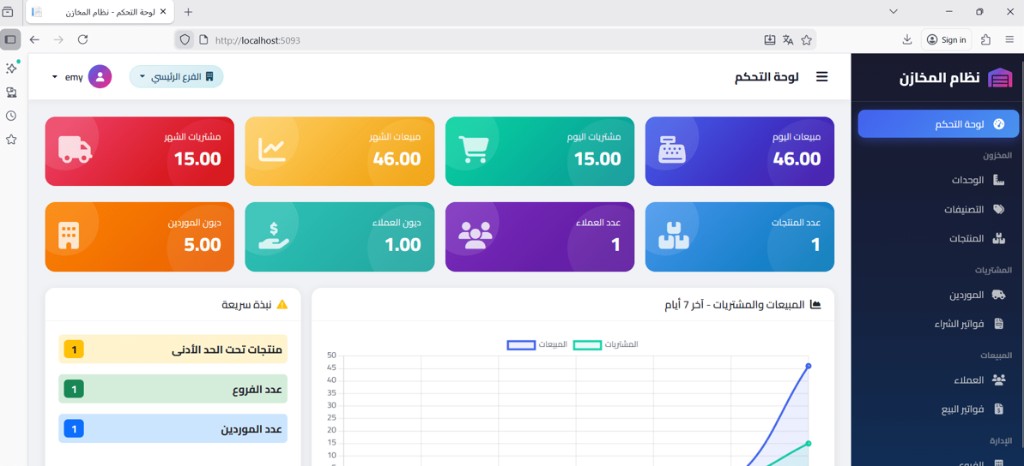
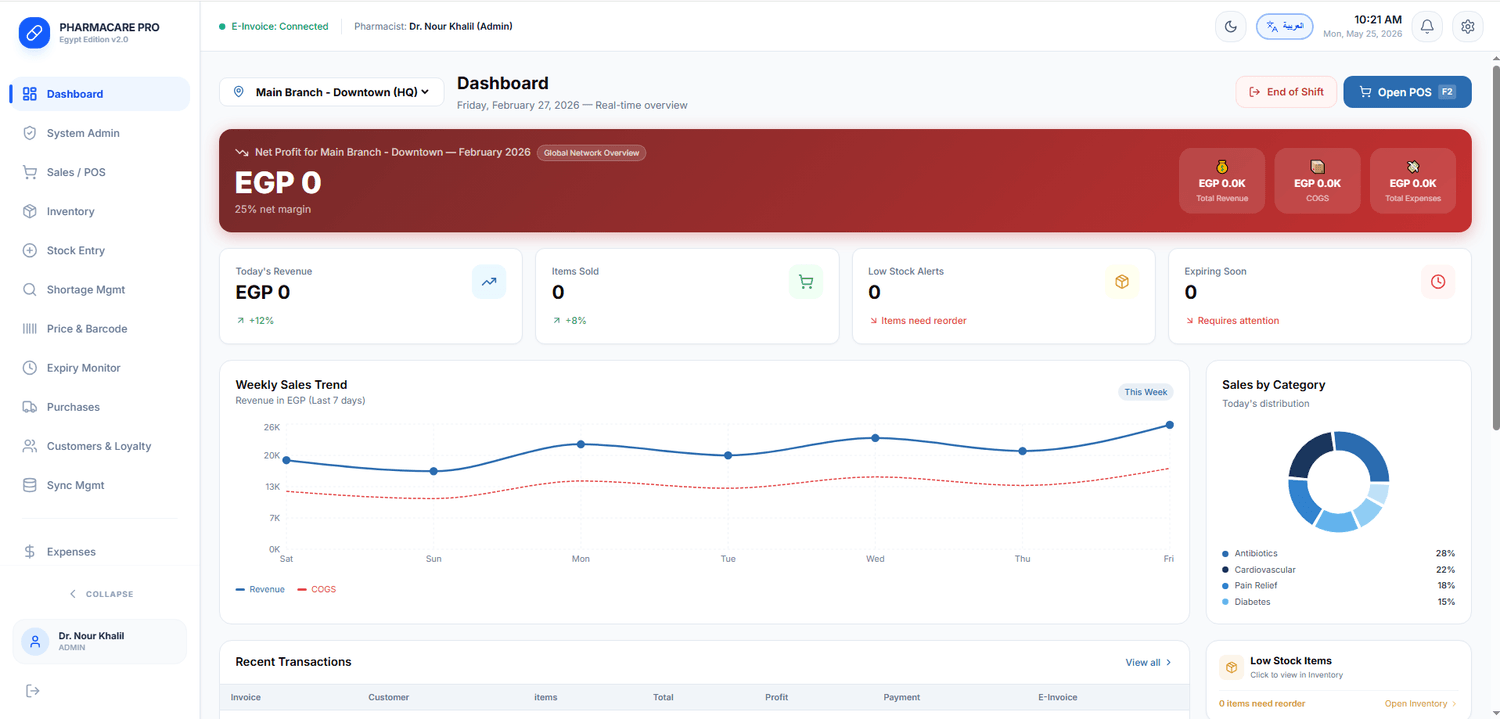
Yes. We routinely build systems that unify inventory, sales, and operations across multiple branches with role-based access and real-time visibility.
Typed codebases, documented architecture, automated tests, and code review on every change. We hand off systems your team — or any competent engineer — can confidently own.
Scalability is an architecture decision made during discovery: data modeling, caching, and service boundaries are designed for your projected load, not retrofitted after incidents.
You do. You receive full source ownership, documentation, and a clean handoff — no vendor lock-in.
Yes. We integrate with your standards, ceremonies, and review cadence, or operate as a fully autonomous delivery team — whichever fits your organization.
We provide observability, runbooks, and an optimization phase — and can stay engaged for ongoing evolution, support, and reliability work.
Let's design and build your next system on an architecture that holds under real production load.